Products
LATEST NEWS
- 01Application of ceramic plunger pump
- 02The structure and principle of ceramic pumps
- 03Alumina ceramic properties
- 04What are the requirements and methods for pressure testing of imported valves?
- 05How to correctly choose a suitable imported valve
- 06Precautions for the Installation and Maintenance of Safety Valves
- 07Methods for Handling Frequently Jammed or Clogged Control Valves
- 08Five Small Tricks for Handling External Leakage of Electric Control Valves
- 09How to prevent blockage and jamming of the control valve in the pipeline of the chemical central pump?
- 010Electric valve safe operation procedures;

Address:1st Floor, Zixiang Road, Pingshan District, Shenzhen, Guangdong Province
Zip Code: 518100
Phone: +86 13410681808
E-mail:glzmdy@163.com
Food filling pump
HOMEFood filling pump

Medicine filling pump
The material selection for pharmaceutical filling pumps must strictly adhere to GMP regulations, with the core being corrosion resistance, sterility, and precision. key considerations are as follows:
1. Corrosion Resistance
Strong Acid/Base: Prefer 316L stainless steel, PTFE or fluoroplastics (such as F46).
Organic Solvents: Must be explosion-proof, with materials resistant to chemical corrosion (e.., fluororubber).
High Viscosity Drug Solutions: It is advisable to pair with a heating module to prevent material failure due to temperature changes.
2. Sterility Requirements
Contact Components: Must be able to be sterilized (e.g., ceramic pumps, silicone tubes), complying with G standards.
Sealability: Magnetic pumps or fully sealed designs prevent contamination.
3. Precision and Durability
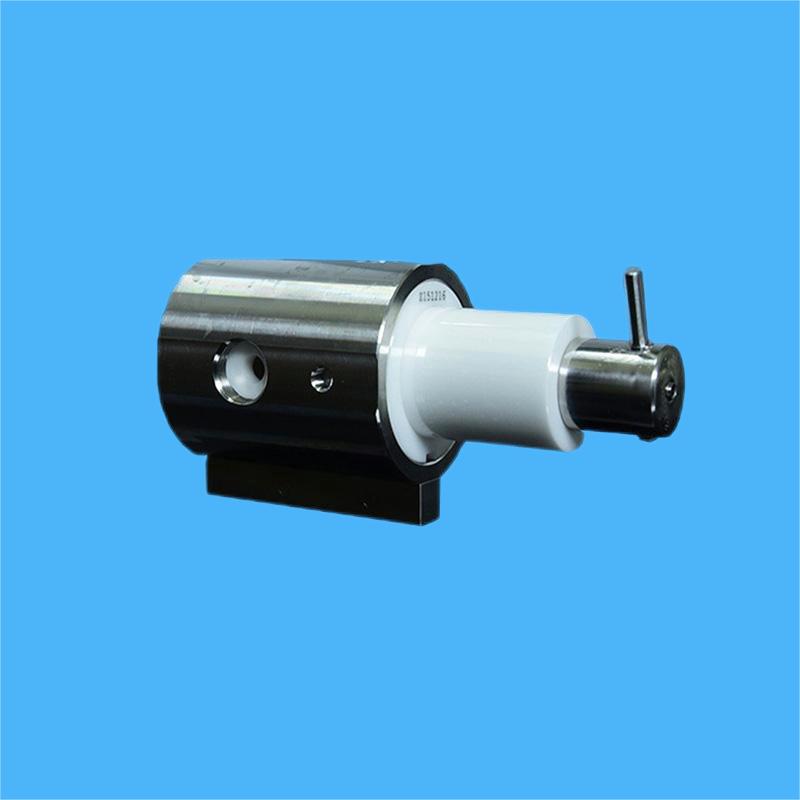
High-Precision Filling:amic pumps or peristaltic pumps (±0.1% error).
Abrasion Resistance: Piston pumps require cast copper or ceramic materials.
4 Other Factors
Production Scale: Semi-automatic equipment can be chosen for small batches, while full automation lines are needed for large volumes.
Fluoroplastics and ceramic pumps have a higher cost, but they last longer.